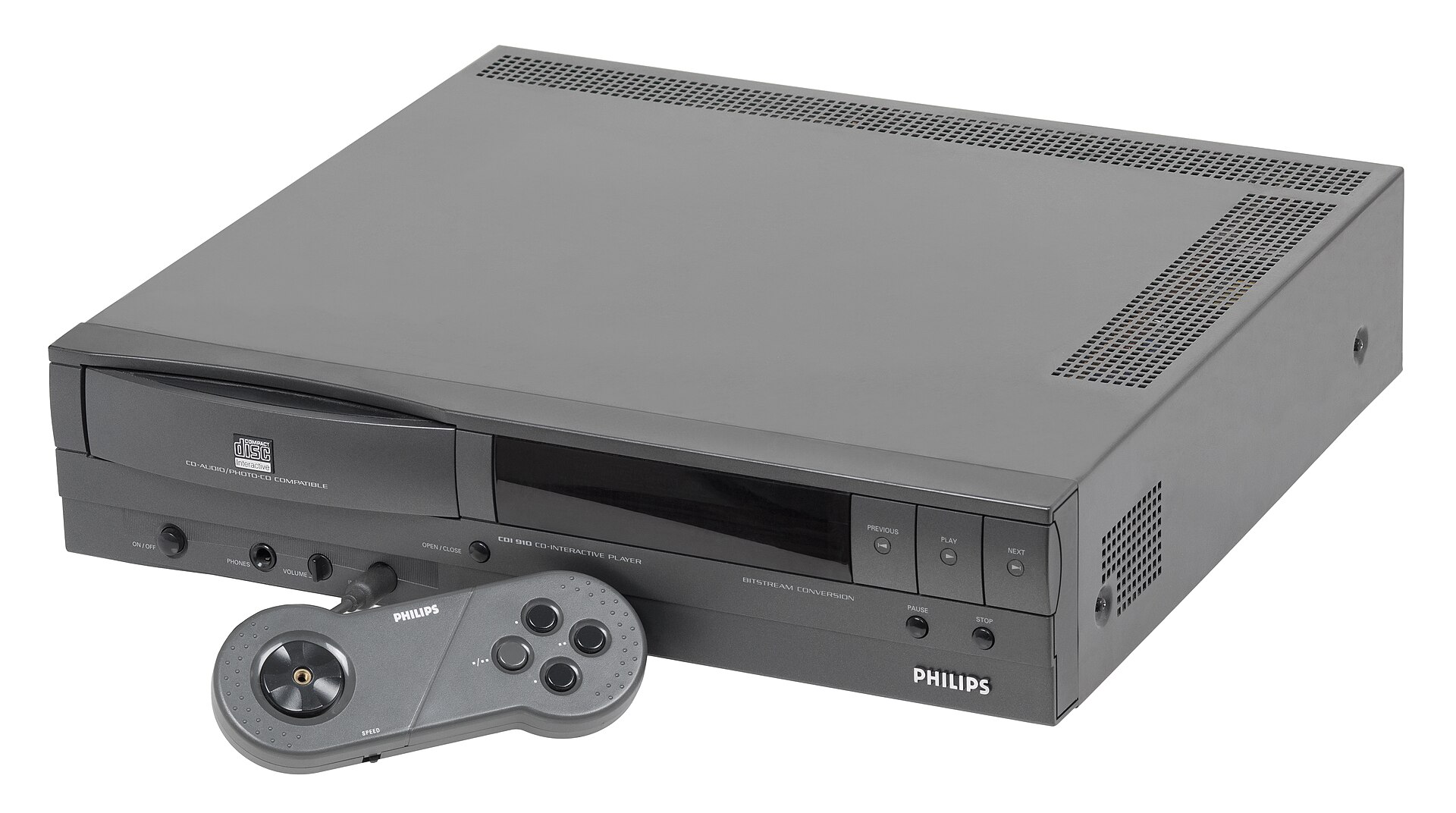
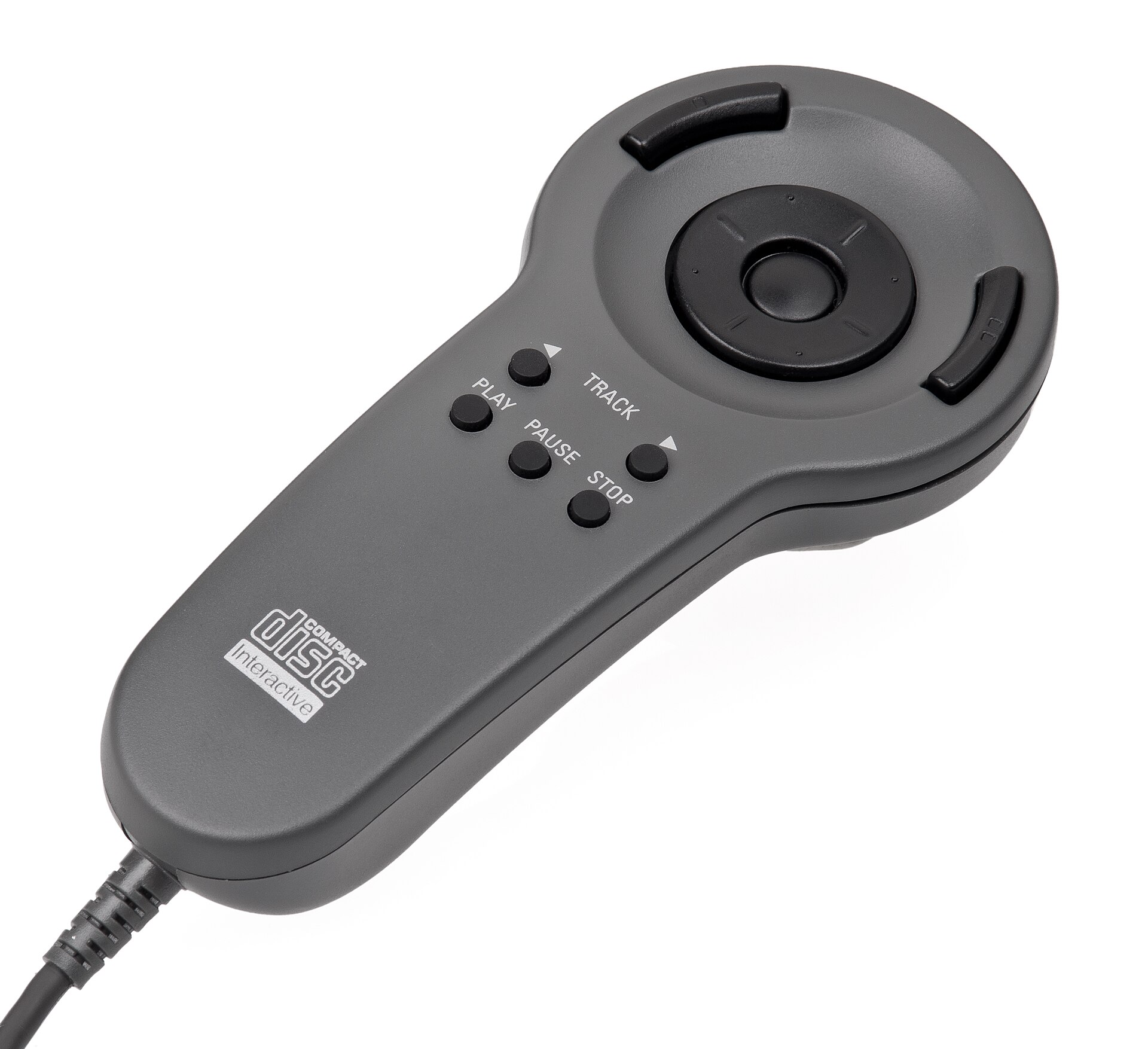
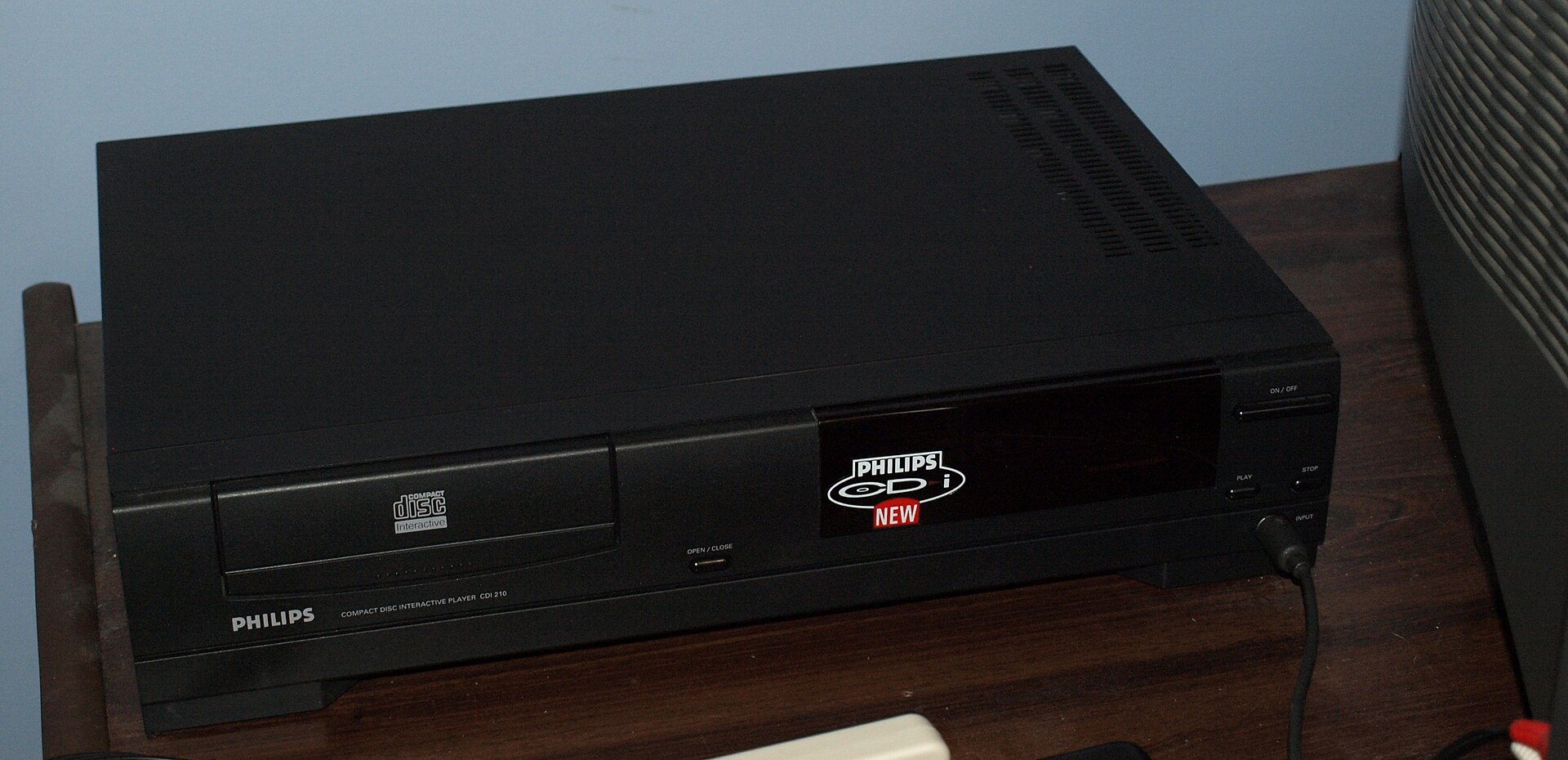
The Philips CD-i went on sale in North America on 3 December 1991 at about $1,000, with a thumb-operated trackball remote. Philips pitched it as one box for games, educational discs, music and video, and the pitch landed between categories. By October 1994 Philips claimed 570,000 units worldwide; the Wall Street Journal put US sales at about 400,000 by 1996, the year Philips left the US market. Philips Media, its software arm, was sold to Infogrames in the mid-1990s, and in 1998 the company dropped the line. Reported spending on the platform ran to roughly a billion dollars.
The best-known CD-i software exists because of a deal that fell apart. Nintendo had agreed with Philips on a CD add-on for the Super Nintendo; that project was cancelled, and Philips came away with a licence to use five Nintendo characters. The result was Hotel Mario and three Zelda games (Link: The Faces of Evil, Zelda: The Wand of Gamelon and Zelda’s Adventure), all made by outside developers, not by Nintendo. They are why the machine still gets searched for. Nothing continues it: no Philips successor, no current manufacturer, and no licence in force. The company that co-invented the compact disc was out of interactive hardware before the decade ended, better remembered for the games licensed to its player than for the player.
Worth remembering
- It was sold as a general-purpose living-room player for educational titles, music CDs and films as much as games, which made it hard to explain to buyers.
- Its remote control used a thumb-operated trackball as the main input device.
- A Nintendo deal for a SNES CD add-on collapsed, but Philips kept a licence to five Nintendo characters and used it for Hotel Mario and the CD-i Zelda games, none of which Nintendo developed.
Gallery
Further reading
Sources
- The first consumer CD-i player, the CDI 910/205, launched in late 1991 at about $1,000; Philips claimed an installed base of 570,000 in October 1994 and the WSJ reported about 400,000 US sales by 1996 Wikipedia
- In 1998 Philips announced the CD-i was discontinued, after low consumer adoption (high price, unreliable controls, weak game library, competing devices) Super Mario Wiki
- Launched 3 December 1991 in North America under the Magnavox brand, 1992 in Europe and Japan; discontinued 1998; the US market was abandoned in 1996; Philips's investment is reported on the order of a billion dollars HCI Museum
- Nintendo agreed to a SNES CD add-on with Philips after a Sony deal fell through; the add-on was cancelled and Philips received a licence to use five Nintendo characters, leading to Hotel Mario and the CD-i Zelda games Super Mario Wiki
Leave a flower to show you came, and remembered.