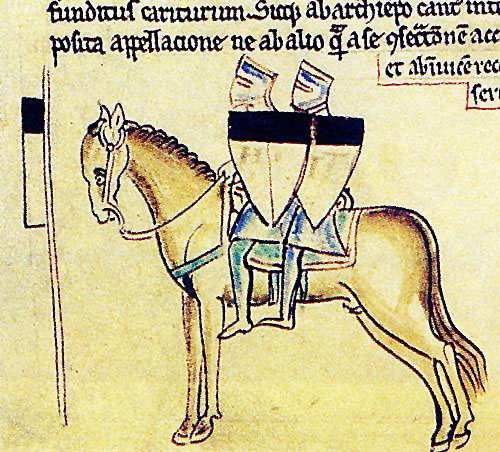
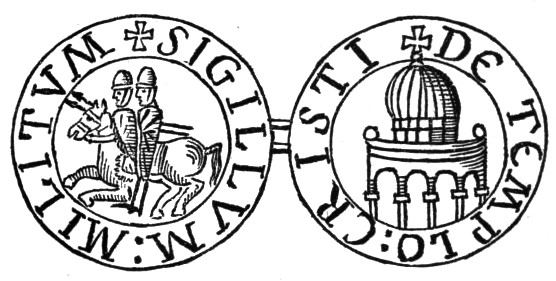
The Poor Fellow-Soldiers of Christ and of the Temple of Solomon began in Jerusalem around 1118 or 1119, when the Champagne knight Hugues de Payens and eight companions took a vow before the Patriarch, and King Baldwin II gave them part of his palace beside the temple. The Council of Troyes endorsed the order in 1129 (the Catholic Encyclopedia gives 1128), and the bull Omne datum optimum in 1139 exempted it from local laws and taxes, leaving it answerable only to the pope.
At its height the order had an estimated 15,000 to 20,000 members, about a tenth of them knights, and nearly 1,000 commanderies and fortifications in Europe and the Holy Land. Templars also developed banking practices, including letters of credit for pilgrims. After the fall of Acre in 1291 the headquarters moved to Limassol, Cyprus.
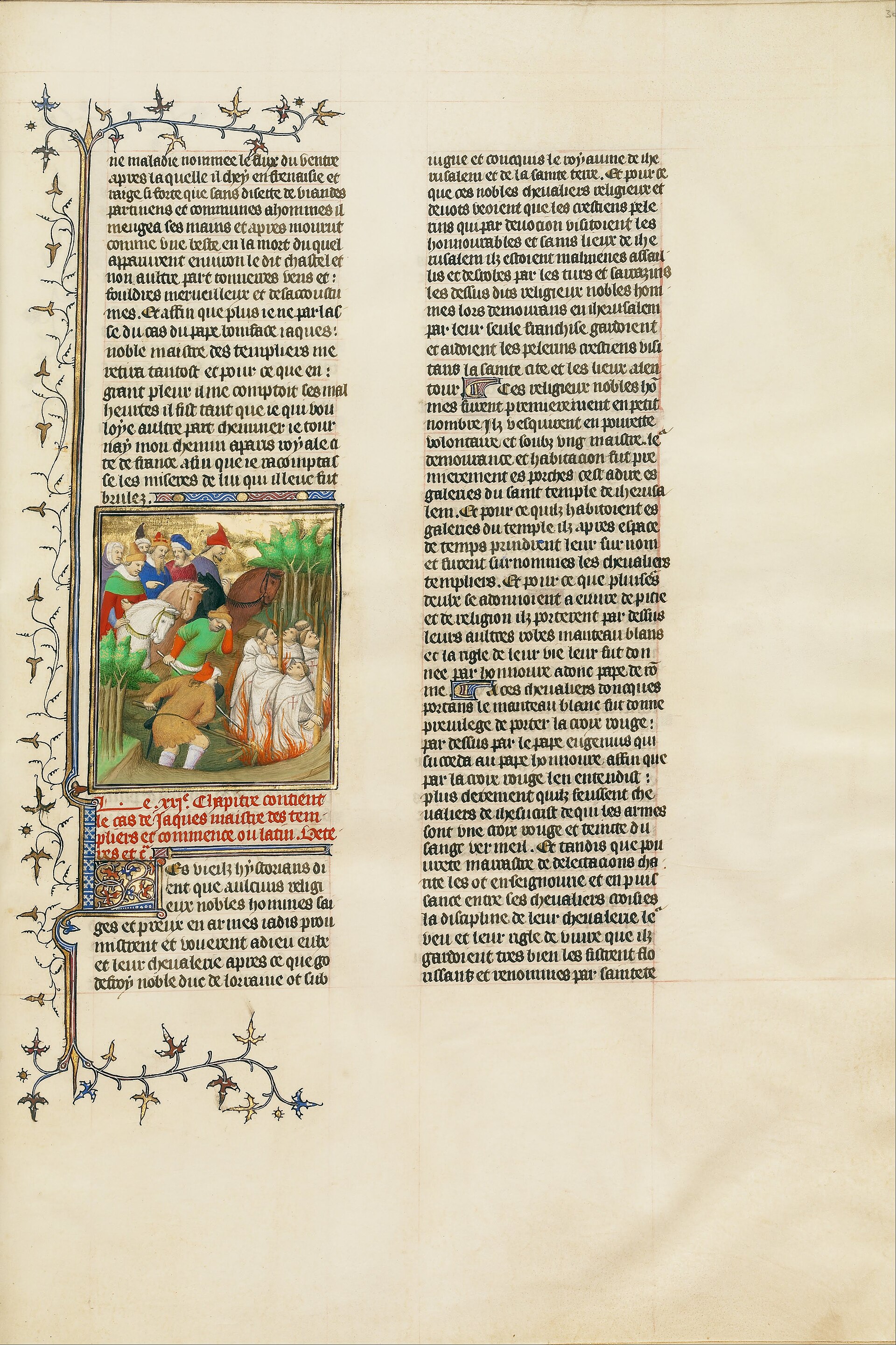
On 13 October 1307 King Philip IV of France had the Templars in France arrested; many confessed under torture. Clement V’s bull Vox in excelso, issued on 22 March 1312 while the Council of Vienne was in session, abolished the order by apostolic ordinance, not by a judicial sentence, and forbade anyone to act as a Templar. Jacques de Molay was burned in Paris on 18 March 1314 after retracting his confession. The Catholic Encyclopedia says the order’s property went to the Hospitallers. Two new orders were created for the Iberian crowns: Montesa, approved on 10 June 1317 for Aragon and Valencia, and the Order of Christ, founded in Portugal in 1318 and authorised by the bull Ad ea ex quibus on 14 March 1319. Each took some Templar property and members, and each was a new foundation by a new papal act. Self-styled Templar groups appeared in the 18th century, and in 1805 Bernard-Raymond Fabré-Palaprat claimed an unbroken line of grand masters that scholars consider unsupported. None has a documented line to the medieval order.
Worth remembering
- At its height it had an estimated 15,000 to 20,000 members, about a tenth of them knights, and nearly 1,000 commanderies and fortifications across Europe and the Holy Land.
- The bull Omne datum optimum (1139) exempted it from local laws and taxes and made it answerable only to the pope.
- It issued letters of credit to pilgrims, an early banking practice.
The people
-
Hugues de Payens — Founder and first grand master
A knight of Champagne who, with eight companions, took the founding vow before the Patriarch of Jerusalem.
-
Jacques de Molay — Last grand master, d. 18 March 1314
Burned at the stake in Paris after retracting his confession.
Gallery
Further reading
Sources
- Founded around 1118 by Hugues de Payens; Council of Troyes 1129; Omne datum optimum 1139 made the order answerable only to the pope; estimated 15,000-20,000 members, about a tenth knights; nearly 1,000 commanderies and fortifications; arrests on 13 October 1307; Jacques de Molay burned 18 March 1314; self-styled Templar groups emerged in the 18th century with no historical connection to the order Wikipedia
- Vox in excelso, issued by Clement V on 22 March 1312, abolishes the Order of the Temple and forbids anyone to act as a Templar Wikipedia
- The Council of Vienne ran from 16 October 1311 to 6 May 1312; the suppression was an apostolic ordinance for the general welfare of the Church, not a judicial sentence Wikipedia
- Order of Christ founded 1318 under King Denis of Portugal; bull Ad ea ex quibus dated 14 March 1319; newly created, inherited Templar assets, some Templars joined Wikipedia
- Order of Montesa approved by John XXII on 10 June 1317 as a new military order in Aragon and Valencia, with first recruits from the Order of Calatrava Wikipedia
- Founded 1118 by Hugues de Payens and eight companions in Jerusalem; the decree of 22 March 1312 was a dissolution, not a penal sentence; members found innocent could join another order or return to secular life with a pension; the Hospitallers received the order's property Catholic Encyclopedia (New Advent)
Leave a flower to show you came, and remembered.