Osama Shukir Muhammed Amin FRCP(Glasg) · CC BY-SA 4.0
Fallen Gods
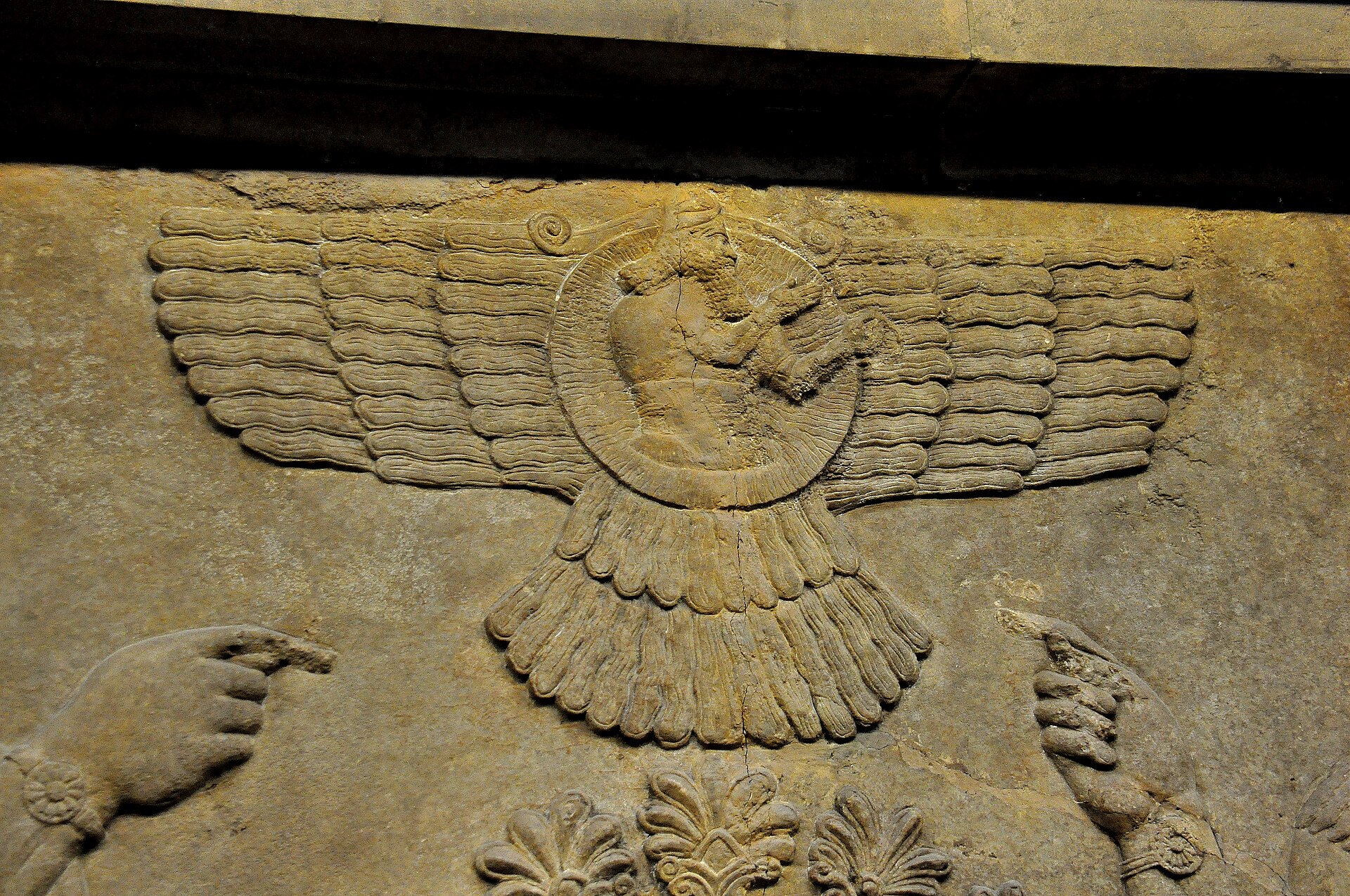
Ashur
Assur
c. 2000 BCEc. 600 BCE
The god who was Assyria itself, who fell silent the moment his empire was burned to the ground — Assur sacked in 614 BCE, Nineveh in 612 BCE, his cult collapsing with the state.
Born
c. 2000 BCE
Died
c. 600 BCE
Lived
1,400 years
Dead for
2,626 yrs
Cause of death
Conquest
Replaced by
Babylonian and later Persian religion, then Christianity and Islam
The Story
Ashur was the national god of Assyria, originally the deified city of Assur and head of the Assyrian pantheon. His identity was bound to the state: Assyrian kings campaigned ‘at the command of Ashur’, carrying his standard and crediting him with their conquests. Because the god was the empire, his cult could not outlive it. When the city of Assur fell in 614 BCE and Nineveh in 612 BCE to the Medes and Babylonians, the state and its god collapsed together. Only the faintest worship lingered afterward before vanishing entirely.
Worth remembering
Ashur began not as a person but as the deified city of Assur itself, and his power rose and fell exactly with the Assyrian state.
Assyrian kings waged war 'at the command of Ashur', carrying his standard into battle and crediting him with every conquest.
Gallery
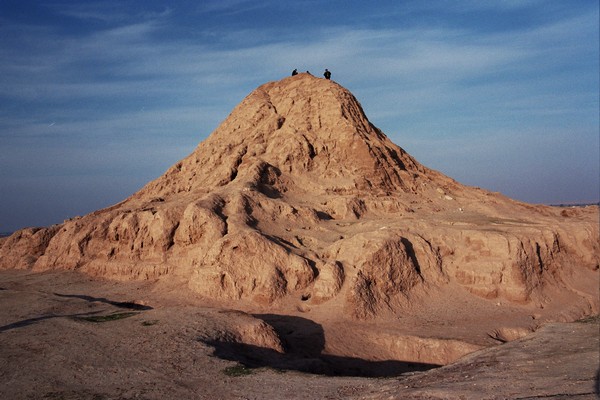
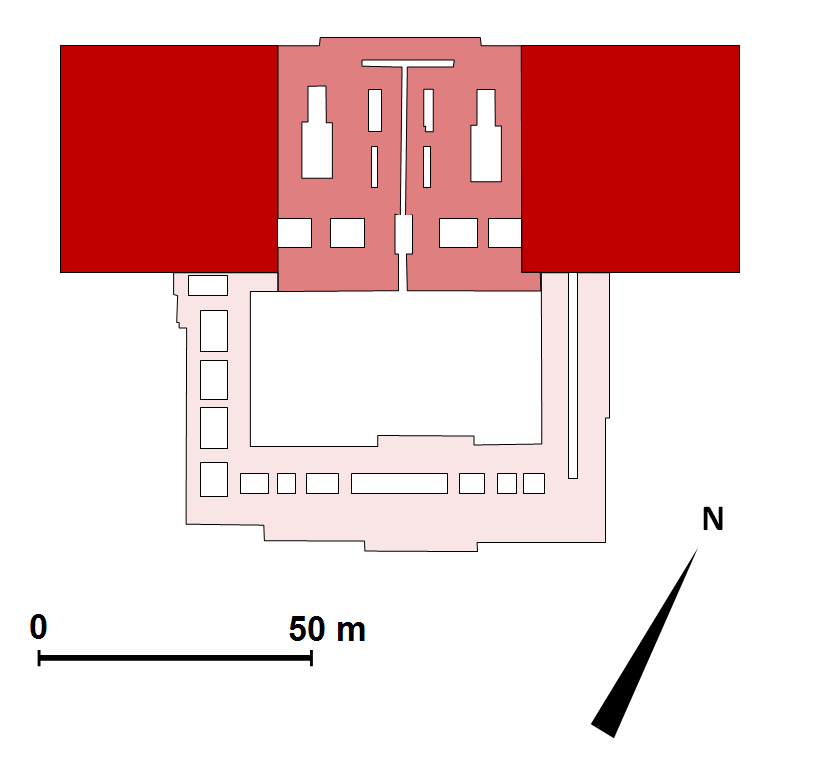
Ruins of the ziggurat at the ancient Assyrian capital AssurCC0Plan of the twin temples and ziggurats of Anu and Adad in the city of AssurZunkir · CC BY-SA 3.0
Sources
Ashur was the national god of the Assyrians, originally the deified city of Assur, head of the Assyrian pantheon. Wikipedia
The fall of the Assyrian Empire (Assur sacked 614 BCE, Nineveh 612 BCE) effectively ended Ashur's role as a state god. World History Encyclopedia
Assur/Ashur was elevated from a local deity of the city of Ashur to the supreme god of the Assyrian pantheon, a transformation that bound his identity inseparably to Assyrian imperial power. World History Encyclopedia
Leave a flower to show you came, and remembered.
Nearby in the collection, by shared fate or a neighbouring lifespan.