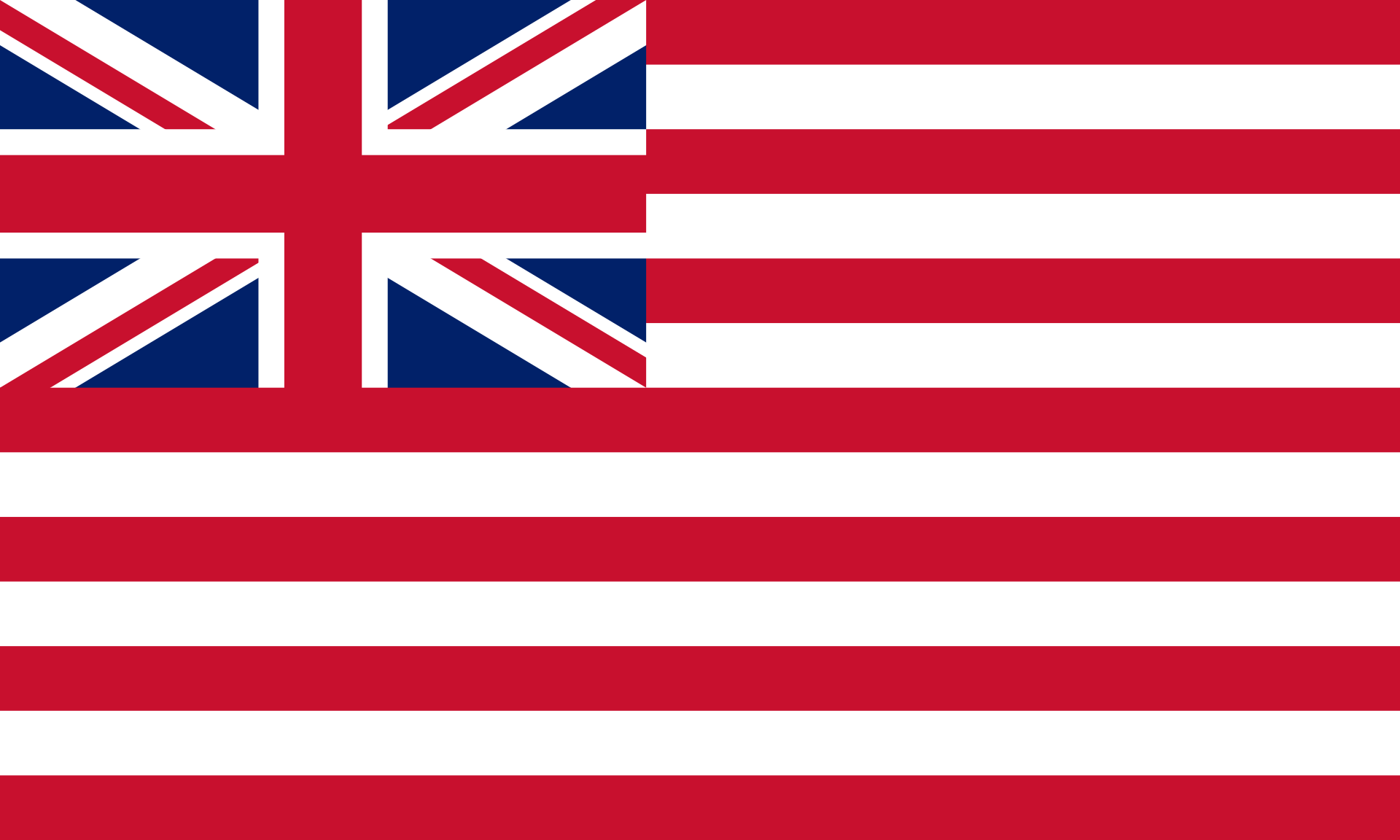
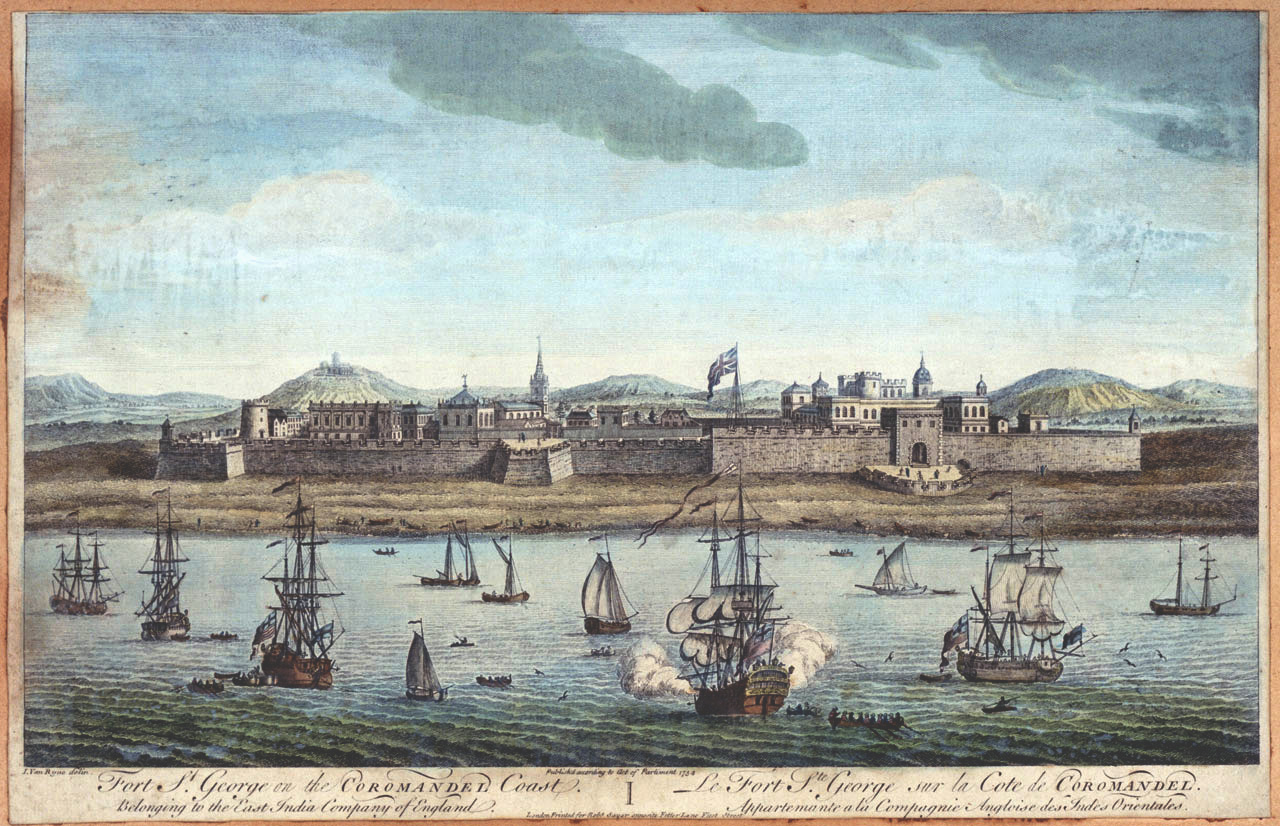
The East India Company, chartered by Elizabeth I in 1600, is the clearest answer history offers to the question of how powerful a corporation can become. Founded to trade for spices and textiles, it spent two centuries acquiring something no company has held before or since: a subcontinent. By the early 1800s it governed roughly 200 million people across India and maintained a private army of about 260,000 soldiers — roughly twice the size of the standing British Army — collecting taxes, fighting wars, and administering justice over a fifth of humanity.
It overreached. Its rule was extractive and brutal, and in 1857 a vast rebellion swept northern India. The British government, alarmed that a commercial company held this much power, used the uprising as the moment to seize control: the Crown took over direct rule in 1858, and the Company was formally wound up in 1874. The most powerful corporation in history did not go bankrupt or get out-competed — it was nationalized out of existence by its own state.
Worth remembering
- It gave the English language the word 'loot' (from Hindi), made tea the national drink of Britain, and — through its tea monopoly — provoked the Boston Tea Party.
- It minted its own money, ran its own courts, and at its height fielded a private army roughly twice the size of Britain's.
Gallery
Watch
Sources
- EIC chartered 1600; governed much of India with a private army; nationalized after 1857 and dissolved 1874 Wikipedia
- History of the East India Company and the transfer of power to the Crown Encyclopaedia Britannica
- The English East India Company, chartered in 1600, grew from a spice-trading venture into the de facto ruler of much of the Indian subcontinent before the British Crown assumed direct control of its territories after the 1857 rebellion. World History Encyclopedia
Leave a flower to show you came, and remembered.